

Skin Tags During Pregnancy | Safe Removal in NJ
9 December 2025
PRX Derm Perfexion: Radiant Skin Without Downtime
9 December 2025Understanding Pigmented Lesions of the Skin: A Comprehensive Guide

Our skin tells a unique story through its colors and textures, but sometimes variations in tone can raise questions about health and appearance. At Bergen Premier Aesthetics, we often encounter individuals curious about these changes, seeking clarity on what they mean and how to manage them. This guide delves into the world of skin pigmentation variations, offering expert insights drawn from years of specialized care in aesthetics and dermatology. Whether you're noticing new spots or simply want to learn more, understanding these aspects can empower you to take proactive steps for your skin's well-being. For more on our approach, visit our home page.
What Is a Pigmented Lesion?
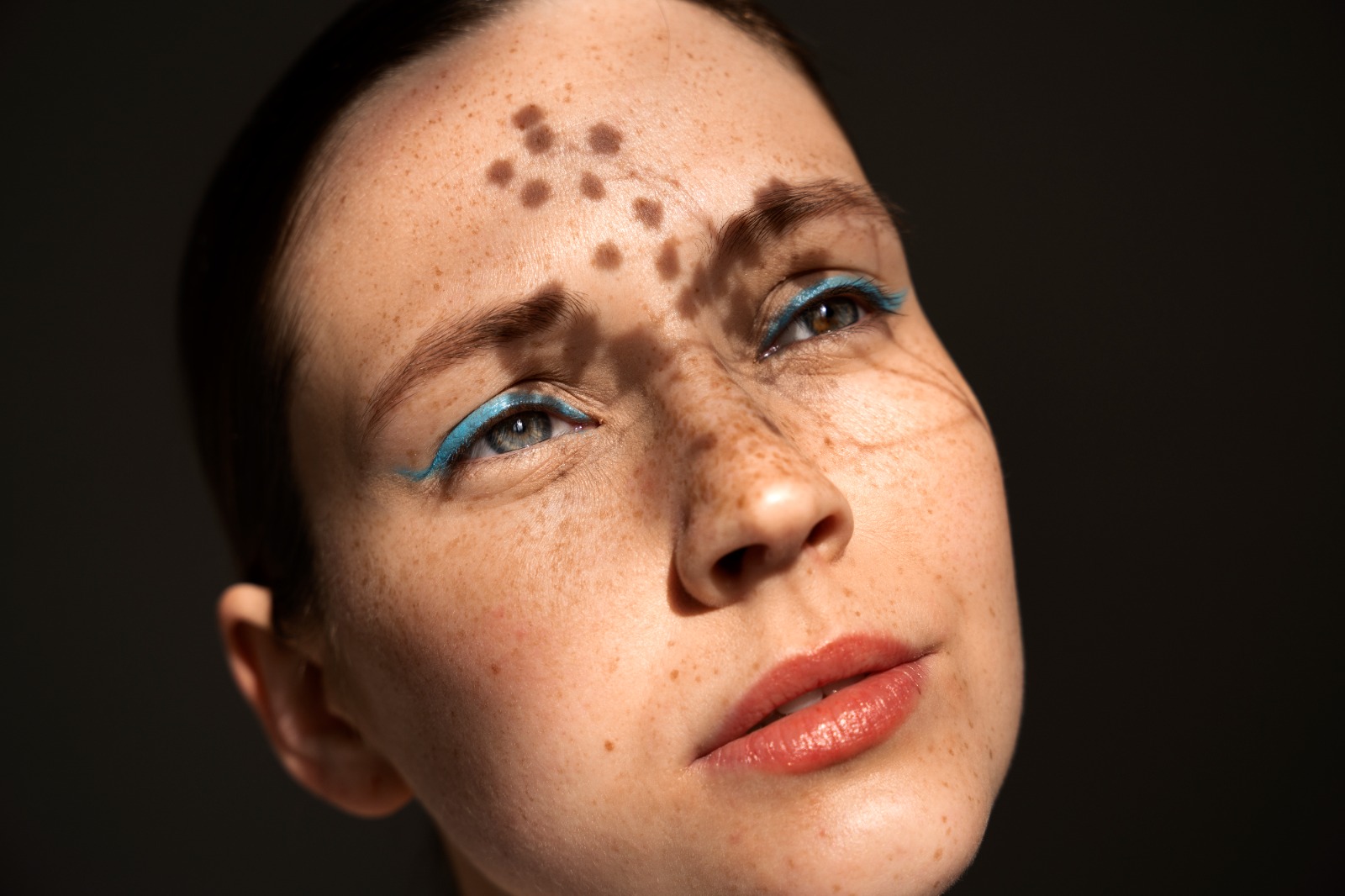
At its core, a pigmented lesion refers to any area of the skin that appears darker or differently colored compared to the surrounding tissue. These spots arise from an accumulation or uneven distribution of melanin, the natural pigment produced by cells called melanocytes. Melanin not only determines our baseline skin tone but also protects against harmful UV rays. When production goes awry, it can lead to noticeable marks that vary in size, shape, and hue—ranging from light brown to deep black or even blue-gray.
These changes are incredibly common, affecting people of all ages and skin types. For instance, they might show up as small dots on the face or larger patches on the arms. While many are harmless and part of natural aging or sun exposure, recognizing their characteristics is key to distinguishing everyday variations from those warranting attention. If you're exploring options for smoother skin, our services page outlines tailored solutions.
Causes of Pigmented Skin Lesions
Several factors can trigger the development of these skin color variations. Sun exposure tops the list, as UV radiation stimulates melanocytes to produce more pigment, often unevenly over time. Hormonal shifts, such as those during pregnancy or from certain medications like birth control, can also play a role, leading to patterns that fade or persist.
Other contributors include inflammation from conditions like acne or eczema, which may leave behind darker areas as the skin heals. Genetic predispositions influence how prone someone is to these changes, with fairer skin types sometimes showing more freckle-like spots, while deeper tones might experience post-inflammatory darkening. Aging naturally slows cell turnover, allowing pigment to build up in spots like age marks. Environmental elements, such as pollution or certain chemicals, can exacerbate these issues too. Awareness of these triggers helps in prevention—simple habits like daily sunscreen use can make a significant difference.
Classification of Pigmented Skin Lesions
To better navigate these skin changes, experts categorize them based on their origin, appearance, and behavior. Broadly, they fall into epidermal (surface-level) and dermal (deeper) types, with some being mixed. Epidermal ones often respond well to topical treatments, while dermal varieties might require advanced interventions.
|
Category |
Examples |
Characteristics |
|
Congenital |
Birthmarks |
Present from birth |
|
Acquired Benign |
Freckles, solar lentigines, seborrheic keratoses |
Develop over time, often due to sun or age; non-cancerous |
|
Post-Inflammatory |
Marks from acne or injury |
Temporary darkening following skin trauma |
|
Hormonal |
Melasma |
Symmetrical patches, often on the face; linked to hormones |
|
Potentially Concerning |
Atypical moles, lentigo maligna |
Irregular borders, color variations; may need evaluation |
This framework aids in identification and guides appropriate care. For a deeper dive into harmless varieties, check our dedicated benign pigmented skin lesions page.
Benign Pigmented Skin Lesions: Common and Manageable
The majority of these skin marks fall into the benign category, meaning they're not harmful and often don't require intervention unless for cosmetic reasons. Freckles, for example, are small, scattered spots that intensify with sun exposure but pose no health risk. Solar lentigines, commonly known as age or liver spots, appear on sun-exposed areas like the hands and face as we get older, resulting from cumulative UV damage.
Other benign forms include seborrheic keratoses—raised, waxy growths that can look stuck-on—and skin tags, which are soft, flesh-colored or slightly darker pendants often found in folds like the neck. These are typically asymptomatic but can be removed if irritating or unsightly. Understanding that most are benign reduces unnecessary worry, but regular self-checks ensure any shifts are caught early.
When to Seek Professional Help for Pigmented Skin Lesions
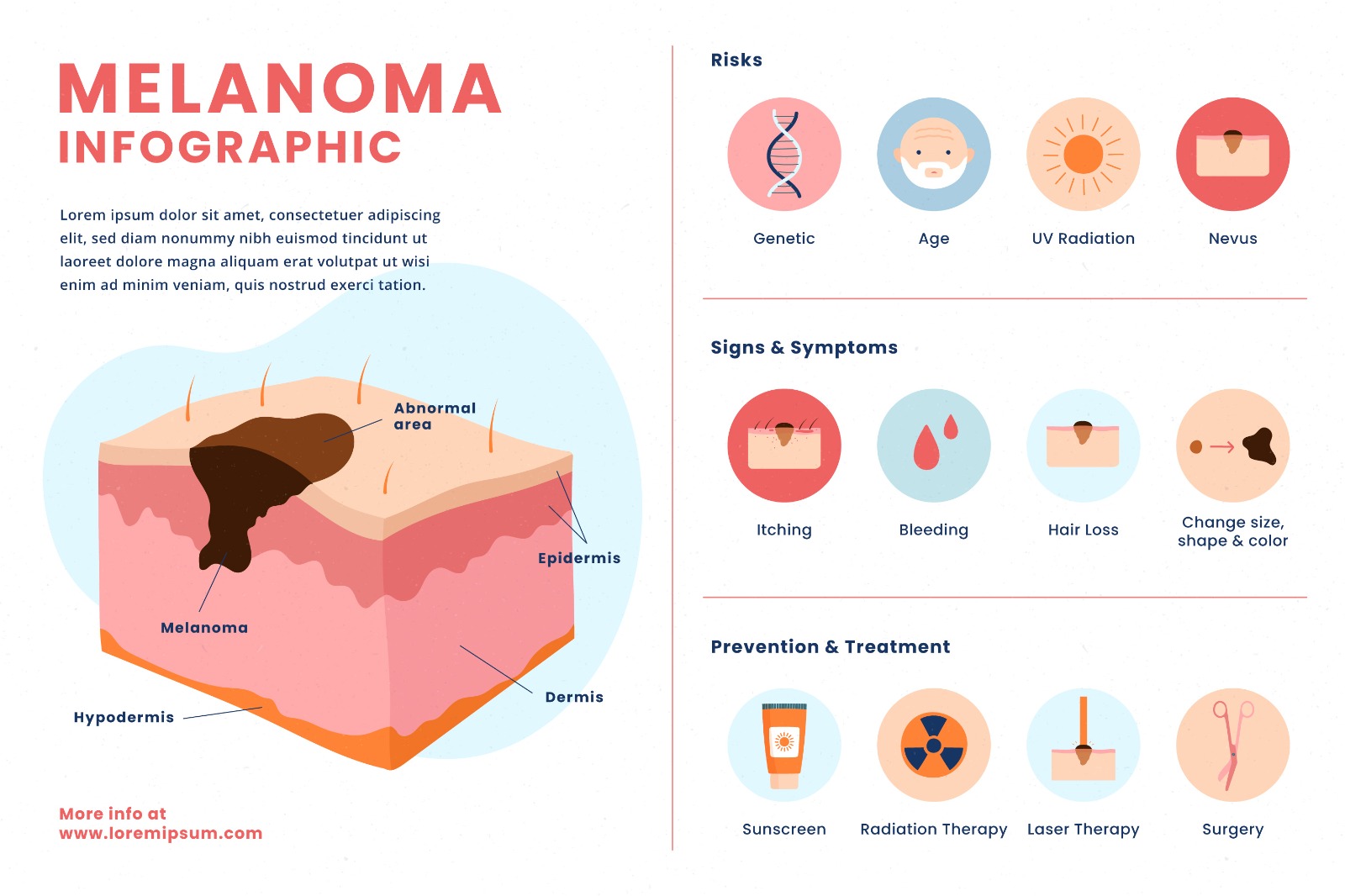
Not all skin changes are equal, so knowing when to consult a specialist is crucial. Watch for the ABCDE signs: Asymmetry, irregular Borders, varied Colors, Diameter larger than a pencil eraser, and Evolving changes in size or shape. Symptoms like itching, bleeding, or rapid growth also signal the need for evaluation.
Individuals with a family history of skin issues, extensive sun exposure, or numerous moles should prioritize routine checks. Early detection transforms outcomes, turning potential concerns into manageable matters. At our clinic, we emphasize personalized assessments to provide peace of mind.
Treatment Options for Pigmented Skin Lesions
-
Advancements in aesthetics offer a range of effective ways to address these concerns. For surface-level issues, topical creams containing ingredients like hydroquinone or retinoids can lighten areas over time. Chemical peels and microdermabrasion exfoliate to promote even tone.
Laser therapies, such as IPL (intense pulsed light) or fractional lasers, target pigment precisely without damaging surrounding skin, ideal for stubborn spots. Cryotherapy freezes off raised growths, while surgical excision handles larger or atypical ones. Prevention remains key—broad-spectrum SPF and protective clothing minimize new formations. Our team customizes plans based on your skin type and goals; explore more on our blogs page for related topics.
Conclusion
Navigating the complexities of skin pigmentation variations empowers you to embrace your skin confidently. From everyday causes like sun exposure to classifications that demystify their types, knowledge is your best ally. Most are benign and part of life's natural progression, but staying vigilant ensures timely care when needed. At Bergen Premier Aesthetics, we're committed to blending expertise with compassionate guidance, helping you achieve radiant, healthy skin.
Ready to Illuminate Your Skin Journey?
If you're noticing changes in your skin tone or simply want expert advice on maintaining an even complexion, don't wait—take the first step toward clarity and confidence today. Schedule a consultation with our skilled team to discuss personalized options tailored to your needs. Visit our appointments page or reach out via our contact us page to get started. Your skin deserves premier care—let's uncover its best version together!